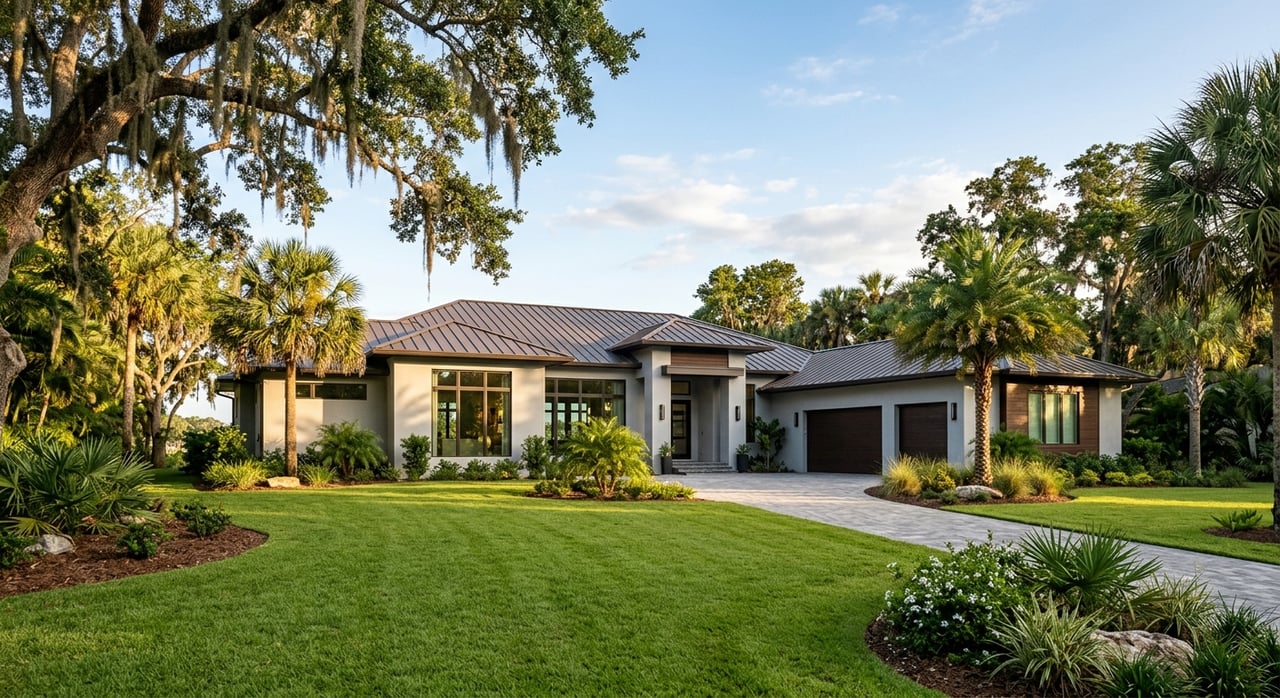
Wondering where you can find a home that gives you a little more breathing room in the Tampa area? If you are drawn to larger yards, more privacy, or even extra land for outdoor projects, Plant City deserves a closer look. The key is knowing that “more space” can mean very different things from one property to the next, and this guide will help you sort through what matters most before you tour. Let’s dive in.
Why Plant City appeals to space-minded buyers
If your goal is not just a bigger house but a property with usable outdoor space, Plant City can be a strong fit. According to the U.S. Census QuickFacts for Plant City, the city had an estimated 43,046 residents in 2024 and covers 27.58 square miles of land. The 2020 Census population density was 1,441.8 people per square mile, which points to a market that can offer a mix of standard residential lots and properties with a more open feel.
That does not mean every home in Plant City comes with acreage. Some homes are in more typical neighborhood settings, while others may offer larger parcels, wider setbacks, or more separation from nearby homes. If elbow room is your top priority, you will want to evaluate each property at the parcel level instead of assuming the whole area feels the same.
Plant City is also an area to watch because growth is projected to continue. Plan Hillsborough projects that Plant City’s jurisdictional population could grow from 39,846 in 2020 to 76,677 by 2050. For buyers, that makes timing and due diligence especially important when you want space now and want to understand how the surrounding area may change over time.
Define what elbow room means to you
Before you start touring homes, get specific about what you want from the land itself. One buyer may want a large fenced yard for outdoor living, while another may care more about privacy, room for a workshop, or space for gardening. The clearer you are, the easier it becomes to rule properties in or out quickly.
Think about your must-haves in terms of the parcel, not just the house. A home can have plenty of square footage indoors but still sit on a lot that feels tighter than you expected. On the other hand, a modest home on a better-shaped lot may deliver the lifestyle you actually want.
A few questions can help you focus your search:
- How much yard space do you want to maintain?
- Do you want open lawn, trees, or a mix?
- Is privacy more important than being close to in-town conveniences?
- Do you want room for a shed, garden, or future outdoor improvements?
- Are you comfortable with a more car-dependent routine?
Check jurisdiction before you fall in love
One of the most important details to verify is whether a property is inside Plant City limits or in unincorporated Hillsborough County. That may sound technical, but it can directly affect the rules that apply to the parcel and which office you need to contact for answers.
The Hillsborough County Property Appraiser notes that zoning data is updated only once per year and advises buyers to confirm the latest classification with the actual zoning authority. In other words, online information is a helpful starting point, but not the final word.
For buyers seeking elbow room, this matters because a spacious-looking property may still come with restrictions on what you can build, place, or change. Verifying jurisdiction early can save you time and help you avoid touring homes that do not fit your long-term plans.
Verify zoning and future land use
Zoning is about more than the current appearance of a property. It helps determine allowable uses, setbacks, height, and other development standards that can affect how you use the land. Plant City includes several single-family zoning districts, such as R-1A, R-1, R-1B, and R-1C, within its zoning code, which you can review through the Plant City Code of Ordinances.
You should also check future land use, not just current zoning. The Hillsborough County Map Viewer can generate reports for zoning, future land use, and flood zone information. This is especially useful if you are comparing a property in an established area with one near land that may develop in the future.
If you are hoping to add a fence, build a detached structure, or make exterior changes later, zoning details matter. The lot may look perfect today, but the real test is whether the property rules support the way you want to live there.
Know when historic rules may apply
A larger lot does not always mean fewer restrictions. If a property is located in one of Plant City’s historic districts, exterior changes that are visible may require added review.
Plant City requires a Certificate of Appropriateness before visible exterior changes in its historic districts, and that requirement specifically includes demolition and fences. If outdoor improvements are part of your plan, this is an important issue to confirm before moving forward.
This does not mean a historic-district property is off the table. It simply means you should understand the review process and possible limitations ahead of time so your expectations match the property.
Budget for maintenance on a bigger lot
More land can be a great lifestyle upgrade, but it usually comes with more work and more ongoing cost. A larger yard often means more mowing, trimming, debris cleanup, and irrigation. If you love the idea of open space, make sure you also feel comfortable maintaining it.
This is not just a theory. Plant City’s code enforcement division handles issues including tall weeds, garbage, foreclosure homes, building violations, and property maintenance complaints, as noted in the city’s budget document. That is a reminder that outdoor upkeep is part of ownership, especially on larger parcels.
Water use is another practical cost to think through. UF/IFAS guidance cited in the city budget document notes that the average Florida home with a sprinkler system uses more than 1,000 gallons each time the lawn is watered. On a larger property, irrigation can become a meaningful part of your monthly operating costs.
Understand water, sewer, well, and septic
Utility setup can change the feel and cost of owning a property with elbow room. Some homes may be on city services, while others may rely on private systems or a mix of both. That is why it is smart to ask about utilities before you focus on finishes and decor.
Plant City’s new utility service form states that if residential sewer service is not within 250 feet, a line extension is required to connect to the city sewer system. In addition, the city’s technical standards require review and approval for water, wastewater, and reclaimed water projects on private property. For buyers, that means utility access can affect both convenience and cost.
If the property uses a private well, maintenance matters there too. The Florida Department of Health in Hillsborough County advises that private wells should be disinfected after a new well is drilled, repaired, flooded, or fitted with a new pump. If a home uses septic, it is also worth understanding inspection and permitting responsibilities as part of your due diligence.
Review flood zone and drainage early
When you buy a property for more land, you are also buying more ground conditions to evaluate. Drainage, flood exposure, and low-lying areas can affect how usable the yard really is and what future improvements may be realistic.
The Hillsborough County Map Viewer is one of the best places to review flood zone information alongside zoning and future land use. This is a smart step whether you are looking at a standard residential lot or a more open parcel.
Even if the home itself looks great, the land around it deserves close attention. A beautiful wide yard may require extra planning if portions of the parcel hold water or fall within a flood-sensitive area.
Balance privacy with daily convenience
Space often comes with tradeoffs, and it helps to be honest about them from the start. More privacy and a less crowded feel can be a major plus, but larger-lot living may also mean more upkeep and more driving for daily errands and commuting.
According to the U.S. Census QuickFacts for Plant City, the mean travel time to work is 28.2 minutes. That number can help set expectations if you are comparing Plant City with more compact parts of the Tampa area.
There is no right or wrong answer here. The goal is to match your property search to your real lifestyle, not just to the image of having more land.
Questions to ask before you tour
If your goal is elbow room, asking the right questions early can save you time and sharpen your search. These questions are especially useful when you are comparing very different types of properties.
Bring this checklist with you:
- Is the parcel inside Plant City limits or in unincorporated Hillsborough County?
- What are the current zoning and future land use designations?
- Are there flood zone, drainage, or wetland concerns?
- Is the property on city water and sewer, a well, septic, or a combination?
- If city sewer is not nearby, would a sewer extension be required?
- Are there historic-district rules or exterior-change approvals to consider?
- Are there deed restrictions, HOA rules, or limits on fences, sheds, or RV parking?
These questions can help you look past surface appeal and focus on whether the property supports your plans for the future.
A smarter way to shop for space
Buying a home with elbow room in Plant City is not only about finding a larger lot. It is about finding the right mix of land, usability, maintenance level, utility setup, and long-term fit. When you understand those parcel-level details early, you can search with more confidence and avoid expensive surprises later.
If you want help narrowing down Plant City properties that match your space goals, Tina White can help you evaluate the details that matter most and guide you through a smoother, more informed search.
FAQs
What makes Plant City a good place to look for homes with elbow room?
- Plant City combines a relatively lower population density with a mix of standard residential homes and properties that may offer larger yards or more open surroundings, according to U.S. Census QuickFacts.
Why should Plant City buyers verify whether a property is in the city or unincorporated Hillsborough County?
- Jurisdiction can affect zoning rules, review processes, and which office you need to contact, so confirming that detail is an important part of parcel-specific due diligence.
How can Plant City buyers check zoning, future land use, and flood zone information?
- The Hillsborough County Map Viewer can generate reports for zoning, future land use, and flood zone information.
What utility questions should Plant City buyers ask when looking for a larger lot?
- You should ask whether the property uses city water and sewer, a private well, septic, or a combination, and whether a sewer extension may be required if city sewer is not within 250 feet.
Do larger properties in Plant City always have fewer restrictions?
- No. Some properties may have zoning limits, deed restrictions, HOA rules, or historic-district requirements, including review for visible exterior changes such as fences.
What are the main tradeoffs of buying a home with more land in Plant City?
- The main tradeoffs are usually more privacy and usable outdoor space on one hand, and more maintenance, irrigation costs, drainage considerations, and a more car-dependent routine on the other.