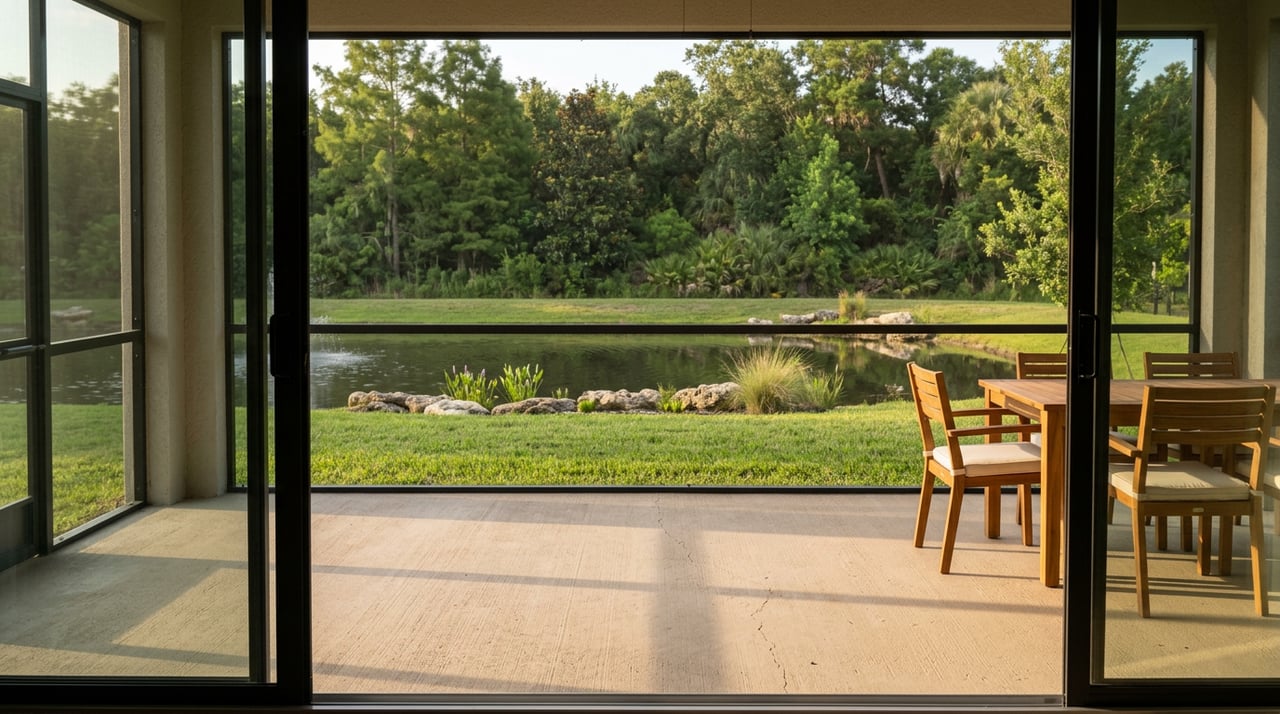
Imagine sipping your morning coffee while herons glide across still water or while sunlight filters through a cypress preserve. If you are picturing more privacy, more sky, and a slower rhythm, lakefront or preserve living in Land O’ Lakes can feel like a daily exhale. At the same time, you want to be clear on what type of water is behind the fence, what you can do with it, and how the rules work. This guide shows you how life by the water or a preserve actually feels in Land O’ Lakes and the key steps to make a confident purchase. Let’s dive in.
Lakefront in Land O’ Lakes
You will see many homes that face water here, but not all water is the same. Understanding the type behind your yard helps you set the right expectations about use, maintenance, and long‑term enjoyment.
Know your water types
- Natural lakes and creek systems. Some edges back to older lakes, marshes, or creek corridors that connect into larger watersheds and preserved land. These areas often have wetland buffers and habitat value. You can explore similar landscapes at Cypress Creek Preserve.
- Private recreation or “ski” lakes. Neighborhoods like Lake Padgett Estates feature private lakes with resident boat ramps, docks, and rules for watercraft. This is classic lakefront living with direct access, as long as you follow community guidelines.
- Stormwater retention ponds. Very common in newer communities, these engineered ponds manage rainwater first, view second. They can be attractive and support wildlife, but swimming or boating is often not allowed. The regional lakeshore living guide explains how these systems work and why rules matter.
- Engineered lagoons. Large, resort-style lagoons show up in newer master plans and feel like a private beach day. Access, hours, and activities are managed as community amenities, not as natural lakes. A recent report highlights the scale of these projects in Pasco County, including Angeline’s lagoon feature, in the Business Observer’s coverage.
Lakefront rights and use
Rights vary by water type and who owns the shoreline. In many subdivisions, the pond or lake is part of the stormwater system and maintained by an HOA or Community Development District. For private lakes, docks and water use are guided by community documents. If you plan to build or modify a dock, Pasco County permits are typically required and may involve state review depending on the waterbody. You can preview requirements in the county’s docks and seawalls checklist.
What preserve‑back living means
Preserve‑back homes border dedicated conservation land or public preserves. Your view is often uninterrupted by other homes, and wildlife sightings become part of the daily soundtrack. Expect a more natural, evolving landscape with seasonal changes in water levels and bird activity.
Over time, many buyers value the sense of permanence that comes with protected land. Conservation areas are intended to remain natural. Still, it is smart to confirm who owns the preserve and whether there is a published management plan before you buy.
Homes and features you will notice
- Outdoor living spaces. Screened lanais, patios, and large rear windows are common to frame the view and keep bugs in check. Focus on how the floor plan connects inside and out.
- Dock and storage potential. On true lakefront, you may see docks or lifts where allowed. Any new or replacement dock work usually needs permits, so plan timing and budgets early with county requirements in mind.
- Hurricane‑resistant details. Impact‑rated windows and doors, reinforced garage doors, and roof systems consistent with Florida Building Code are typical selling points. If the home is in a mapped flood zone, you may also see elevated mechanicals and flood‑resistant design elements.
- Landscape buffers. Many communities encourage a planted buffer near the shoreline to protect water quality. Look for native plantings and a no‑mow strip that helps reduce runoff into the waterbody.
Daily life on the water or a preserve
Most days feel a little more outdoorsy. You will likely start mornings with the sound of birds and end evenings with wide sunset skies. Preserves provide room to breathe and a more secluded feel, while lakes and ponds can draw in wading birds, turtles, and the occasional otter.
For hobbies, you might paddle or fish on lakes that allow it, or enjoy neighborhood boating on private lakes with resident ramps. On preserve‑back lots, trail access and nature walks are part of the rhythm. The key is to treat the water’s edge with respect and follow community rules for access and use.
Wildlife is part of Florida life. Alligators can be present in natural waterbodies, and it is important to follow FWC alligator safety guidance at all times. Do not feed wildlife, keep pets and children back from the shoreline, and report problem animals through the proper channels.
Rules, risk and safety to check
Flood risk and insurance
Ask for the property’s current FEMA flood zone and any elevation certificate on file. Lenders commonly require flood insurance in Special Flood Hazard Areas. You can view flood maps for a specific address using the FEMA Map Service Center. Request an early quote on homeowners and flood insurance so you understand coverage costs.
Wetlands, buffers and permits
Wetlands and upland buffers are regulated at the county and state level. Some developments include preserved wetlands with required buffer widths. Before planning any structure or landscaping near the water, confirm whether the lot includes a wetland buffer and what activities are permitted. Shoreline work and dock projects can involve multiple permits, so do not assume you can alter the bank without review.
Water quality and algal blooms
Freshwater harmful algal blooms can occur in warm, nutrient‑rich conditions. If you plan to swim, paddle, or fish, check for recent advisories and ask for the community’s water‑quality records. The Florida Department of Environmental Protection maintains helpful algal bloom FAQs and guidance on what to do if you see a bloom.
Wildlife and mosquitoes
Standing water and natural edges attract wildlife and seasonal mosquitoes. In Pasco County, mosquito control programs provide surveillance and treatment, and many communities manage ponds with aeration and littoral plantings to reduce nuisance conditions. Follow posted signs and community protocols for wildlife and shoreline care.
Who owns and maintains the water
In many master‑planned neighborhoods, lakes and ponds belong to the stormwater system and are maintained by an HOA or Community Development District. Maintenance ranges from mowing and bank repair to algae control and aeration. The Florida CDD FAQ explains how CDDs fund and manage these systems through assessments.
Public preserves are typically managed by agencies and remain natural. Private use, such as a dock into a preserve, is usually not allowed without explicit permission. Rights for private lakefront can also be complex. In Florida, riparian rights and submerged lands are defined by state law, so have your title and survey reviewed for clarity on what is included with the deed. You can read the state’s definition of riparian rights in Florida Statutes §253.141.
Buyer checklist for lake or preserve homes
Use this list before you tour or write an offer:
- Ownership and boundaries: Who owns the waterbody and shoreline behind the home? Is it private, HOA, CDD, county, or state?
- Rights included: Are riparian rights included with the deed, or were they ever separated? Confirm with title and the survey; review Florida Statutes §253.141 for definitions.
- Dock status and permits: What permits exist for any dock, lift, or seawall? Verify condition and compliance against Pasco’s docks and seawalls requirements.
- Flood zone and elevation: What is the current FEMA flood zone, and is there an elevation certificate? Check the FEMA Map Service Center and get an insurance estimate early.
- HOA or CDD responsibilities: Which entity maintains the lake or pond? Review budgets, contracts, and any special assessments in the CDD FAQ, then confirm in your community documents.
- Water quality records: Ask for recent testing, aeration or algae‑control contracts, and any posted advisories. Review state algal bloom guidance and community notices.
- Wildlife and safety: Ask about typical wildlife sightings and the reporting process. Follow FWC safety guidance for alligator country.
- Utilities and septic: Confirm whether the home is on sewer or septic, and ask about any special inspection requirements near waterbodies.
- Boat and motor rules: Verify horsepower limits, wake rules, and whether docks are sized for your intended use.
- Future plans: For preserve‑back homes, confirm the preserve’s ownership and management plan. For lakes and ponds, check for any known capital projects such as dredging, aeration upgrades, or seawall repairs.
Is this lifestyle right for you?
If you value big skies, privacy, and nature at your back door, lakefront or preserve living in Land O’ Lakes can feel like a daily upgrade. You will trade a bit of rule‑reading and seasonal maintenance for views that reset your pace and a backyard that changes with the light. The right fit comes from knowing your exact waterbody type, your rights, and the community’s plan to care for it.
When you are ready to explore homes that match your lifestyle, reach out to Tina White for local guidance and a streamlined path from search to closing.
FAQs
What is the difference between a natural lake and a retention pond in Land O’ Lakes?
- Natural lakes connect to broader watersheds and may allow recreation subject to rules, while retention ponds are engineered for stormwater management and often restrict swimming and boating.
How does living behind a preserve affect privacy and views?
- Preserve‑back lots typically have longer sightlines and fewer visible neighbors, along with more wildlife and seasonal changes in the landscape.
Do I need a permit to build or repair a dock in Pasco County?
- Most dock, lift, or seawall projects require county permits and may also need state authorization depending on the waterbody and submerged lands.
What should I check about flood risk for a waterfront home?
- Get the current FEMA flood zone, any elevation certificate, and early quotes for homeowners and flood insurance so you can compare costs and coverage.
Are alligators common around lakes and ponds in this area?
- Alligators can be present in natural waterbodies in Florida. Follow state safety guidance, keep pets and children away from the edge, and report problem wildlife through proper channels.