What does a typical day look like when you live in one of Wesley Chapel’s master-planned communities? If you are picturing tree-lined streets, resort-style amenities, and quick access to shops and services, you are on the right track. Choosing where you live is a big decision, especially if you are relocating or planning a move-up. In this guide, you will see how daily life works here, from amenities and commutes to HOA details and practical checks before you buy. Let’s dive in.
What master-planned living means in Wesley Chapel
In Wesley Chapel, a master-planned community is a large, developer-designed area that blends homes, open space, and everyday conveniences in a unified plan. You will often find one or more amenity centers, trails, and landscaped entries, along with covenants and an HOA that guides standards for the neighborhood.
Wesley Chapel has grown quickly over the past two decades, which created room for multi-phase developments by national and regional builders. Communities are typically organized into several neighborhoods, each with its own identity, while still sharing common amenities and design standards. Wiregrass Ranch is a well-known example of a mixed area with retail and town-center style conveniences nearby.
Amenities that shape your day
Most master-planned communities here include the features you will use several times a week. You can expect a central pool, a fitness center, sport courts, playgrounds, and miles of sidewalks or trails. Some communities add special features like preserved nature areas, lakes, or a golf course. A few even include destination-style amenities, such as large lagoon attractions.
Amenities influence routines in simple ways. Morning walks flow into after-school time at the playground. Weekends often include family pool time or a pick-up game on the courts. Many HOAs host classes, clubs, and seasonal events, so your calendar can fill quickly without leaving the neighborhood. If your community borders a town-center area, grabbing dinner or a coffee close to home is easy.
Housing options and design trends
You will see a mix of housing types. Single-family homes are the most common, with lot sizes that range from compact “pocket” sites to larger yards. Many communities also offer townhomes and, in some cases, low-maintenance villas or condos.
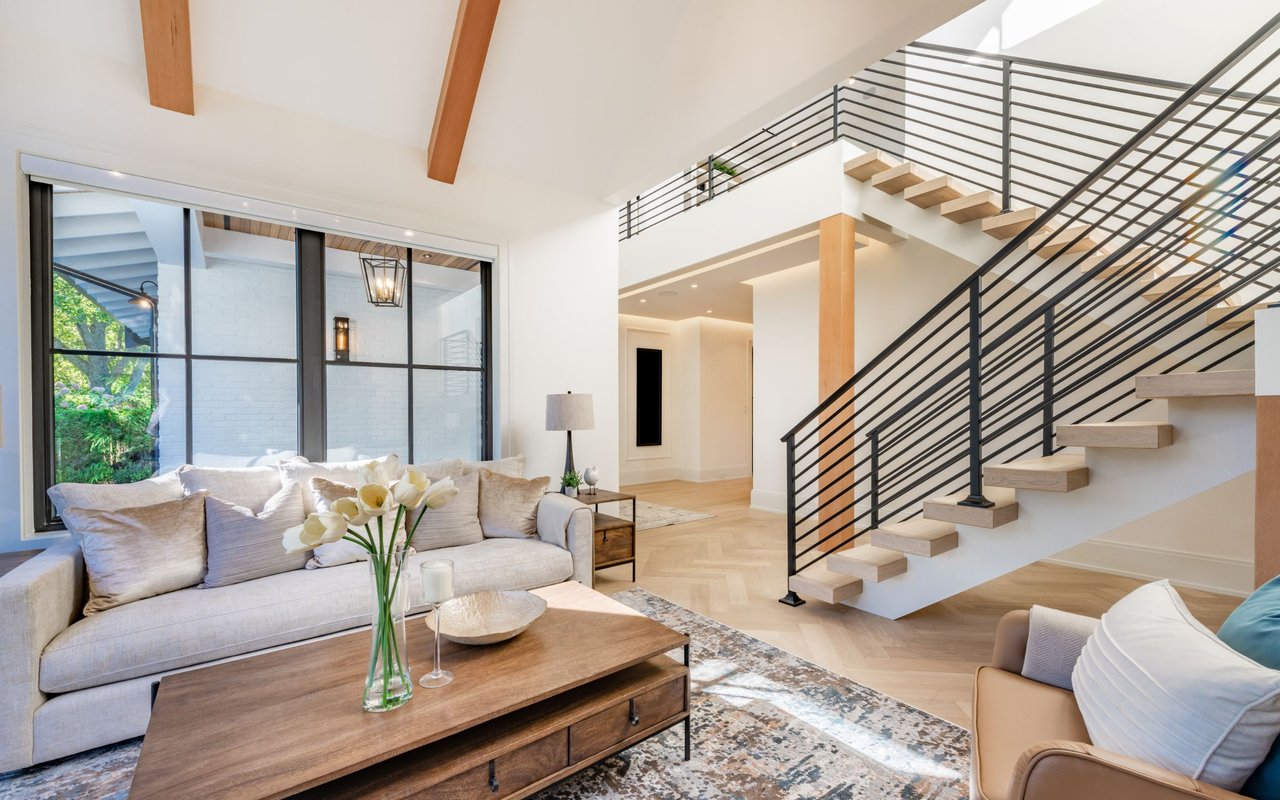
Floor plans tend to favor open living, flexible bonus rooms, covered lanais, and two-car garages. Builders work within community design standards for exterior elevations and landscaping, which gives the streetscape a consistent look. In newer phases, you will see more new construction options. In established areas, resale homes become more available.
Errands, healthcare, and schools
Daily errands are usually convenient. Wesley Chapel has regional shopping and dining hubs, along with grocery and service clusters near many neighborhoods. You can often plan a full day of errands within a short drive of home.
Healthcare access is close by. Residents commonly use AdventHealth Wesley Chapel for hospital services and outpatient care. You can learn more about location and services on the hospital’s site at AdventHealth Wesley Chapel.
Public school assignments vary by neighborhood and even by phase. If schools are part of your decision, verify the current zone for a specific address through the district. Start with the Pasco County Schools website and use the boundary tools before you make an offer.
Commute and transportation
Wesley Chapel commuters rely on State Road 54, State Road 56, and direct access to I-75. These corridors connect you to downtown Tampa, the Westshore area, and other employment centers around the metro.
Drive times vary by destination and time of day. Many residents model their own routes during peak hours to see realistic times. Public transit options are more limited than in core urban areas, so most households plan on being car-dependent. If guest parking matters to you, check the specific HOA rules for on-street parking and overflow lots when you tour.
If you want a wider view of roadway planning and improvements, the Florida Department of Transportation publishes statewide information and district updates.
Community life and events
HOAs and lifestyle directors often organize social events that help new residents meet neighbors. Expect seasonal gatherings, movie nights, poolside concerts, and fitness classes. Informal groups form around interests like gardening, running, or book clubs. In larger communities, resident committees and volunteer projects are common.
These activities give you a steady rhythm throughout the week. Many residents find that on-site programs simplify their schedules. For families, amenities can become the go-to place after school and on weekend mornings.
Practical checks before you buy
Buying in a master-planned community adds a few extra documents and details to review. These items affect your day-to-day experience as well as your budget.
Understanding HOA fees and rules
- Ask for the CC&Rs, bylaws, budgets, reserve studies, recent meeting minutes, and any history of special assessments.
- Compare fees against the amenity mix. Staffed gates, large amenities, and private utilities usually mean higher dues.
- Review rules for exterior changes, landscaping standards, parking, and amenity usage so there are no surprises.
School zoning and family needs
- School boundaries can change as new phases open. Verify the zone for the specific property with Pasco County Schools.
- If walkability to parks or playgrounds is important, test the actual route from the home and note crossings and sidewalks.
Costs beyond the mortgage
- Budget for HOA dues and any potential special assessments.
- Look up Pasco County property taxes for the parcel on the Pasco County Property Appraiser site.
- Ask about homeowners insurance and whether the property sits in a mapped flood zone.
- Confirm utilities, internet providers, and typical monthly bills. In some neighborhoods, lawn care is included for certain product types.
Flood risk and insurance
- Review the FEMA Flood Insurance Rate Map for the property through the FEMA Flood Map Service Center.
- Ask about any known drainage or retention improvements in the community. Builders may elevate finished floors, and standards can vary by phase.
New build or resale
- New construction offers modern plans, warranties, and often lower initial maintenance. You may need to wait for build times and live with nearby construction.
- Resales offer mature landscaping, an established amenity scene, and the potential for a quicker move-in timeline.
What supports resale value
- Amenity quality and ongoing maintenance
- School zoning and proximity to major roads and retail
- Lot size and floor plan versatility
- HOA stability and transparency
A realistic day in a Wesley Chapel MPC
Morning starts with a quick loop on the neighborhood trail or a stop at the fitness center. If you commute, you join traffic on SR 54 or SR 56, then connect to I-75 toward your destination. Midday errands are simple, with groceries, services, and lunch spots a short drive from the neighborhood entry.
Afternoons bring after-school time at the playground or a lesson at the amenity center. Evenings might include a community fitness class or relaxing under a covered lanai. On weekends, you rotate between the community pool, local parks, and nearby shopping or dining. If your community hosts a farmers market or seasonal event, that may be your Saturday morning plan.
How to evaluate a specific community
Use a simple, step-by-step process so you compare options confidently.
- Confirm the exact neighborhood and phase with county parcel records and HOA documents.
- Pull tax info for the property on the Pasco County Property Appraiser site.
- Verify the school zone for the address through Pasco County Schools.
- Check flood maps at the FEMA Flood Map Service Center, then ask about any drainage projects.
- Drive your commute during peak hours on a weekday morning and late afternoon.
- Scan recent HOA meeting minutes and budgets for fee trends and maintenance plans.
- Compare amenity access, parking rules, and any restrictions that matter to your lifestyle.
Ready to explore communities in person?
If you are balancing amenities, commute, schools, and budget, you are not alone. A local guide can save you time and help you avoid costly missteps with HOAs, flood zones, and phasing. When you are ready, reach out to Tina White for local insight, efficient tours, and clear next steps.
FAQs
How walkable are Wesley Chapel master-planned communities?
- Most include internal sidewalks and trails. Walking to grocery or retail depends on whether a town center is integrated nearby, so many residents still drive for errands.
How long is the commute to downtown Tampa from Wesley Chapel?
- Drive times vary by route and time of day. Plan to test your specific address during peak hours, with many residents seeing 30 to 60 minutes depending on destination.
What do HOA fees usually cover in these communities?
- It depends on the amenity mix and services. Larger amenity centers or staffed entries can raise dues. Some product types include lawn care, so check the HOA inclusions.
How do I verify the school for a specific address in Wesley Chapel?
- Use the district tools on the Pasco County Schools website and confirm with the school or district before making an offer.
How can I check flood risk for a home before I buy?
- Look up the property’s flood zone at the FEMA Flood Map Service Center and ask the seller or builder about drainage history and any improvements.
Are there more new builds or resales available right now?
- Availability varies by phase and market cycle. Newer areas often have more builder inventory, while mature phases offer more resales. A local MLS search can show current options.